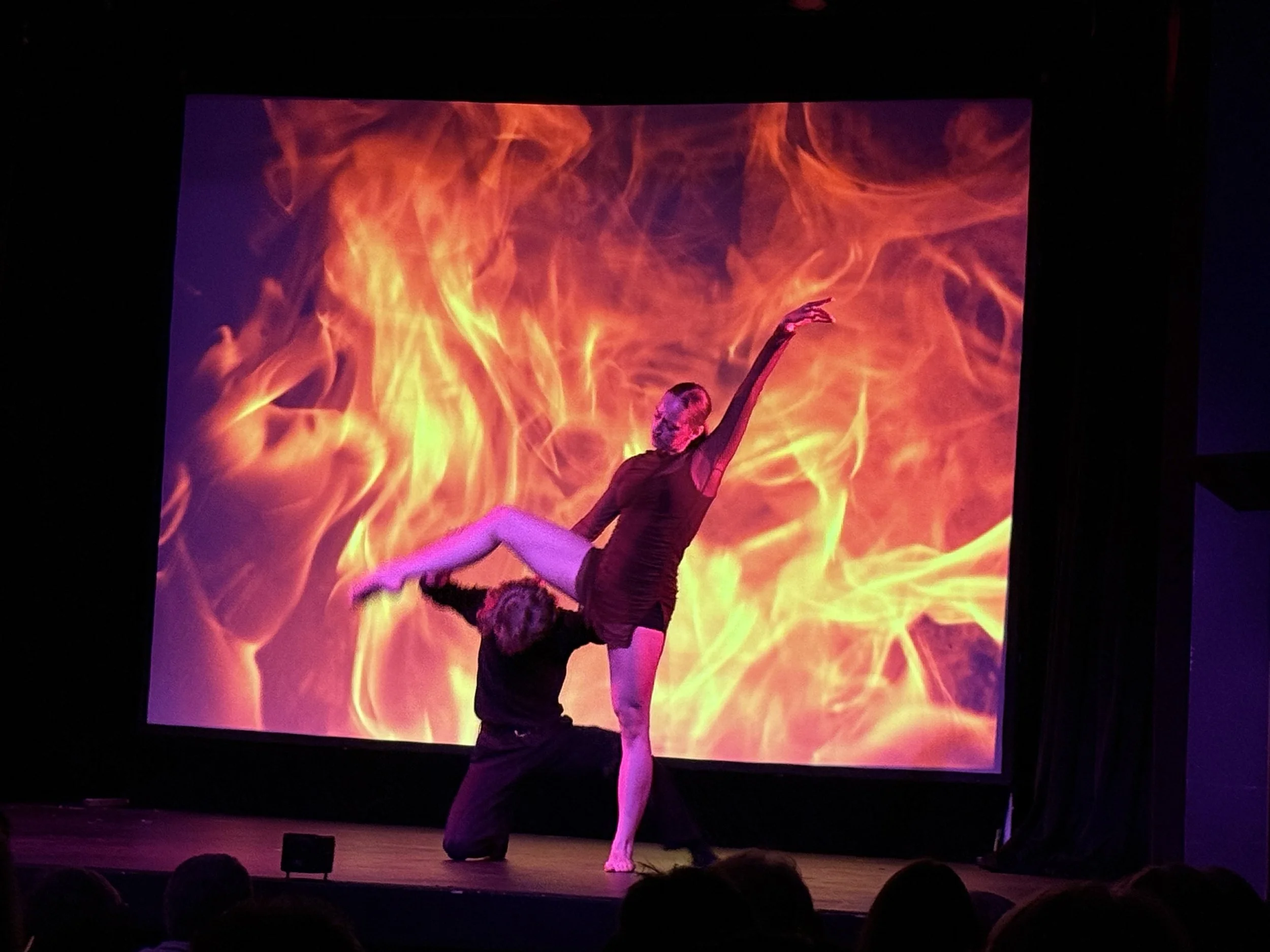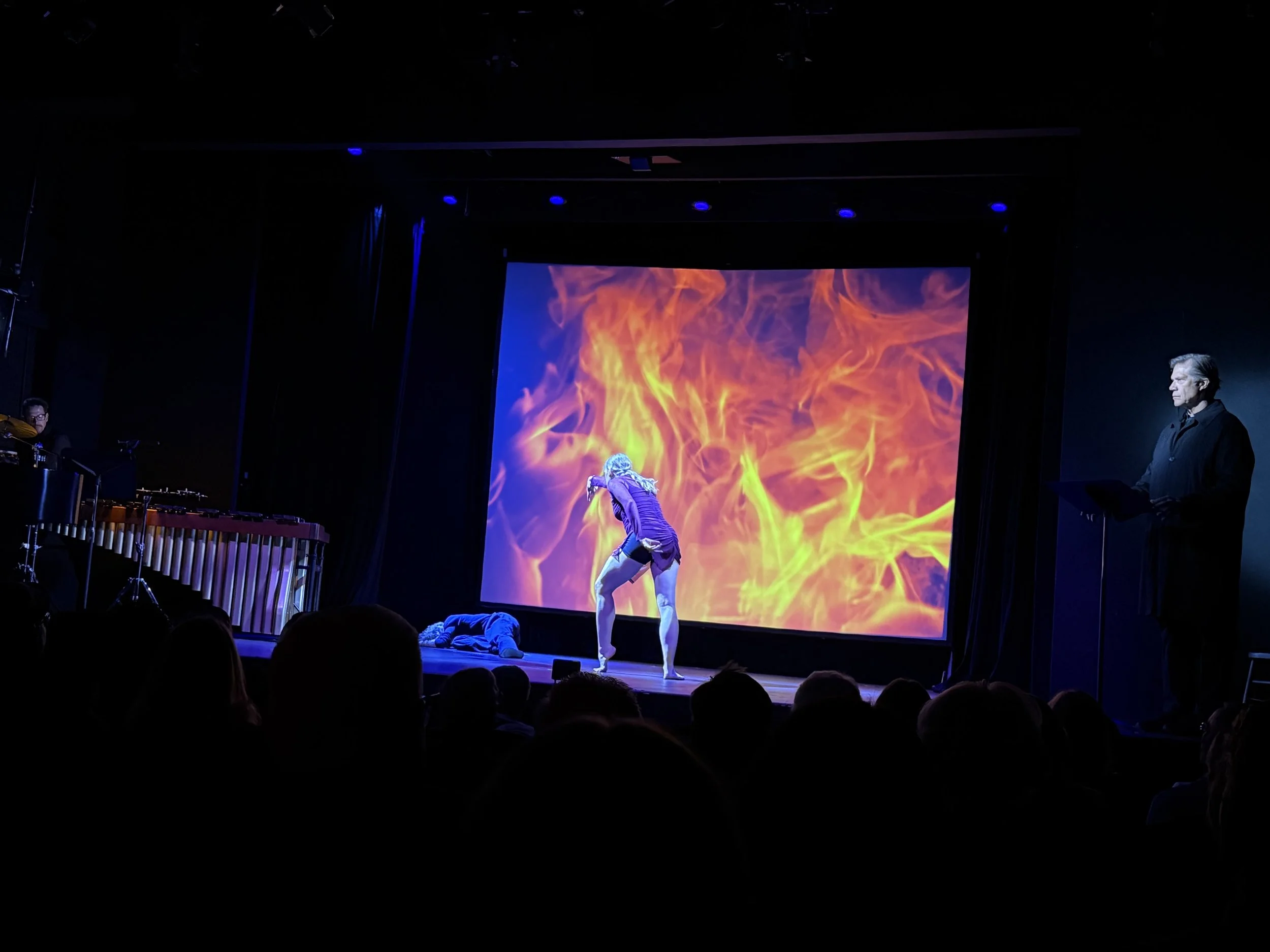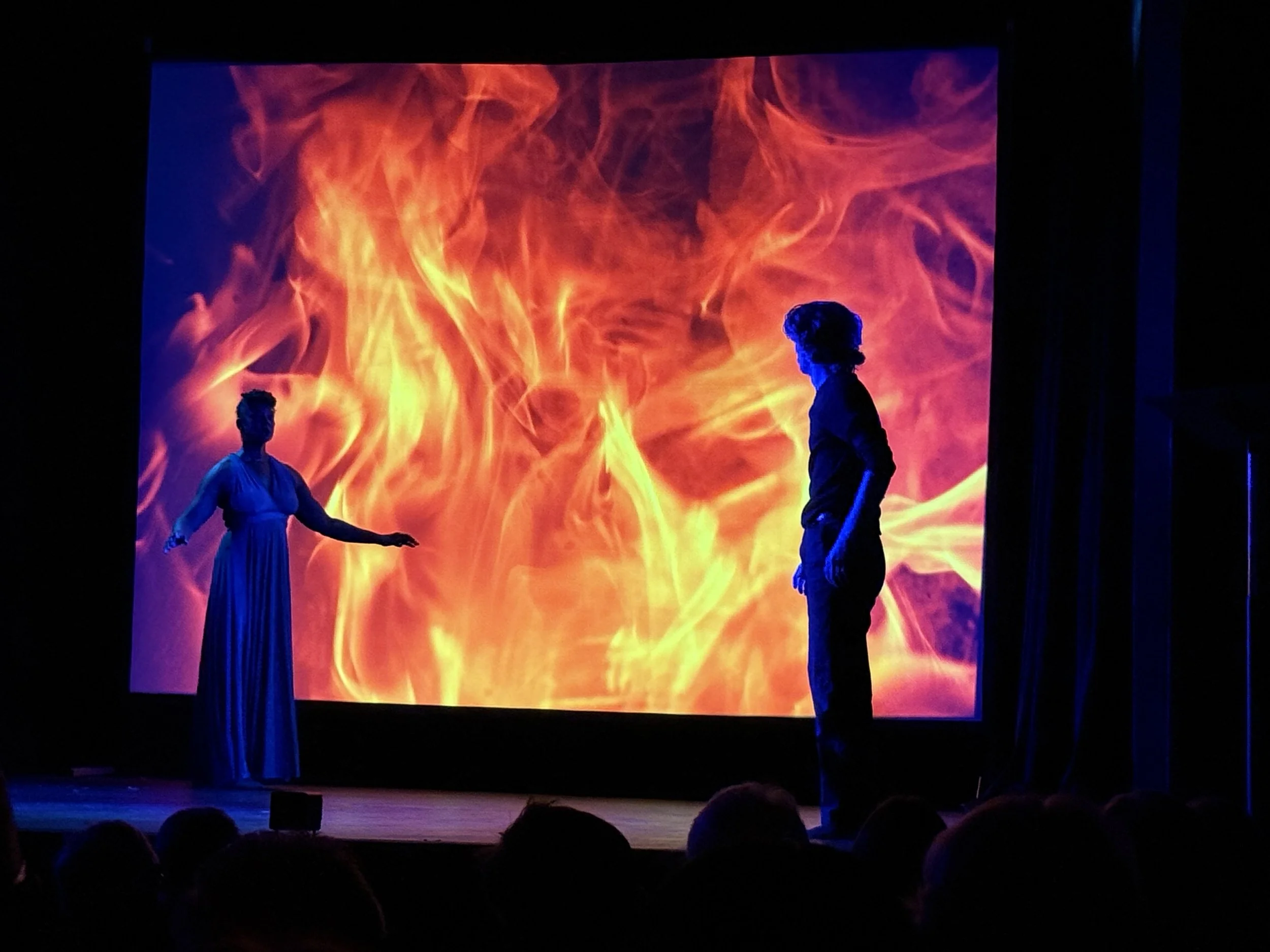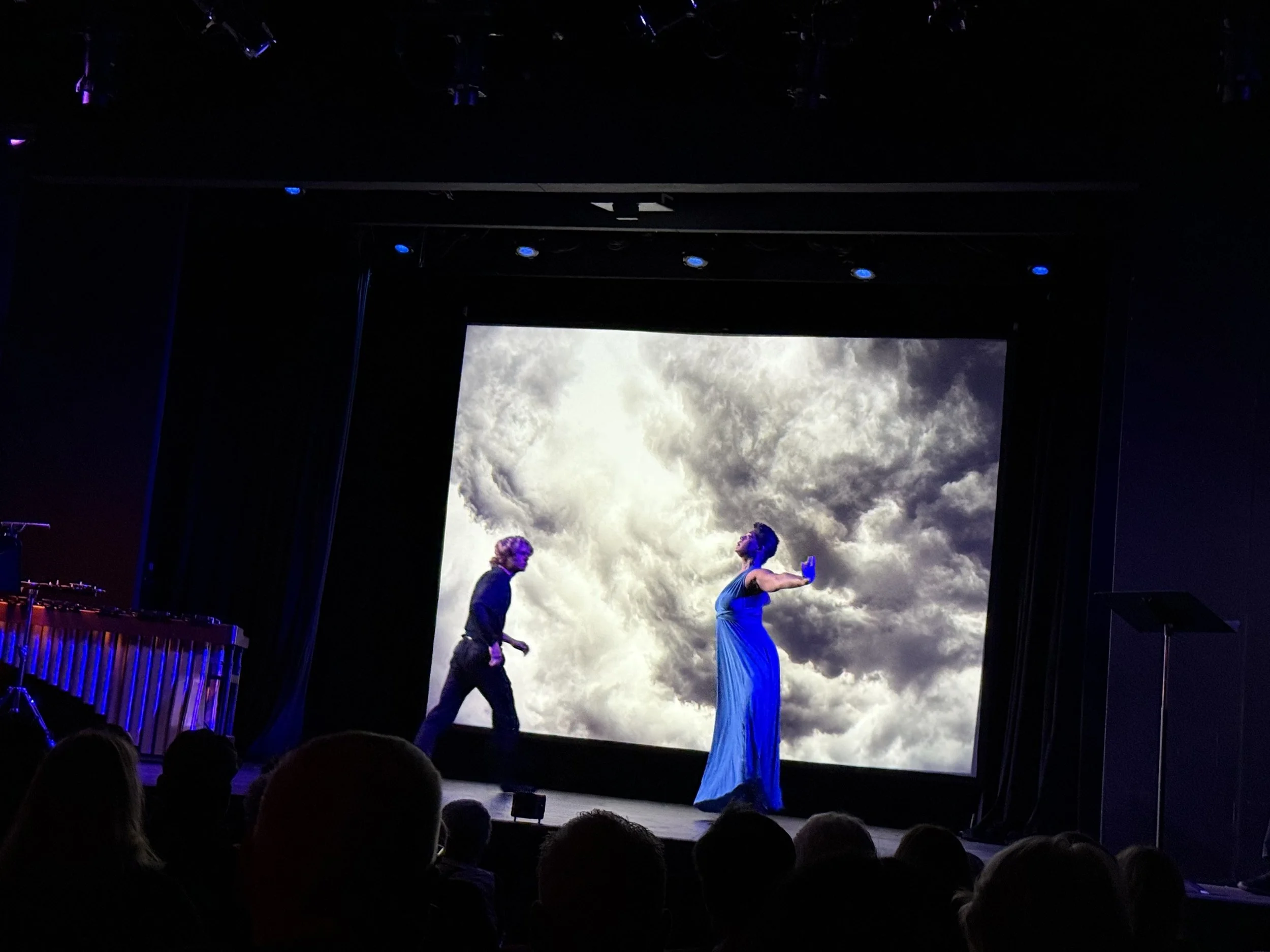
Reflections on haunted, a dance opera :
This commission from Sierra Madre Playhouse to choreograph a one-act dance opera was a surprise and a delight. It felt like a full circle moment, as I studied opera history while majoring in vocal music at the High School for the Performing and Visual Arts. During that time, the vocal department regularly attended performances by the Houston Grand Opera, and seniors would often choose to sing arias in their senior recitals. As such, opera became one of the many musical art forms that continues to influence the way I hear music and approach choreography.
I found myself drawing on many of the skills I’ve gained over the last three decades. I needed my producer hat to build a tight rehearsal and tech schedule and to anticipate the variables that might arise when we first encountered the musicians in person the day before the show. My background in the performing arts informed my choreographic process, giving me a deeper understanding of how the various artistic elements of an opera interact and helping me make choices that served the production as a whole. My background as a film editor reminded me to balance both the big picture and the smallest details, a perspective that proved invaluable when considering how the script, score, singer, three musicians, conductor, costumes, and lighting would ultimately come together in performance. Drawing on these skills reinforced how fluidly these disciplines informed one another throughout the process.
While I consider myself an artist who prioritizes storytelling through movement—even in abstract work—this process revealed something new for me. I’ve spent years breaking down television and film scripts to understand the beats for the story, but I realized I had never truly dissected a traditional classical score in the same way. Studying the original composition by Paul Salerni and interpreting the emotional and structural beats within his music was eye-opening. Observing how he manipulated meter, instrumentation, and texture deepened my appreciation for the intentional artistry of composers everywhere.
Ayesha Orange (assistant choreographer/dancer) has been a consistent collaborator since 2018, working with me across genres in film, television, and live performance. With this opera, however, she willingly put back on her dancer hat and jumped into the deep end with cast members Dawson Walker and Avery Zerr. It was especially rewarding to work with her in this context and witness the depth of her experience and artistry come through.
At the end of the day, a production is only as good as the team behind it. Throughout this process, I felt deeply supported by collaborators who approached the work with curiosity, generosity, and genuine excitement about what we could create together. These are the kinds of collaborations I thrive on, and I look forward to where they may lead in the future.
With gratitude,
Jamila Glass
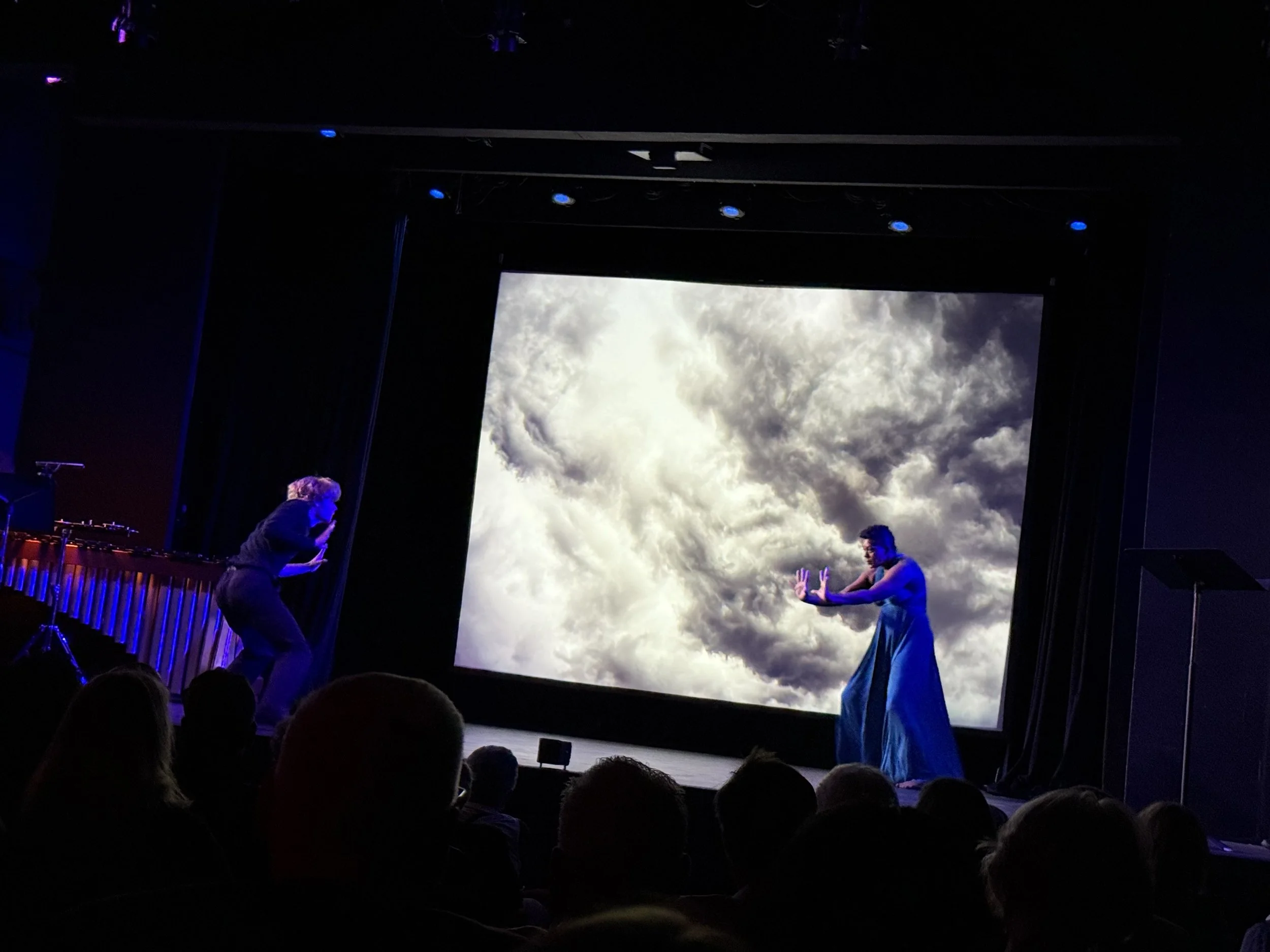
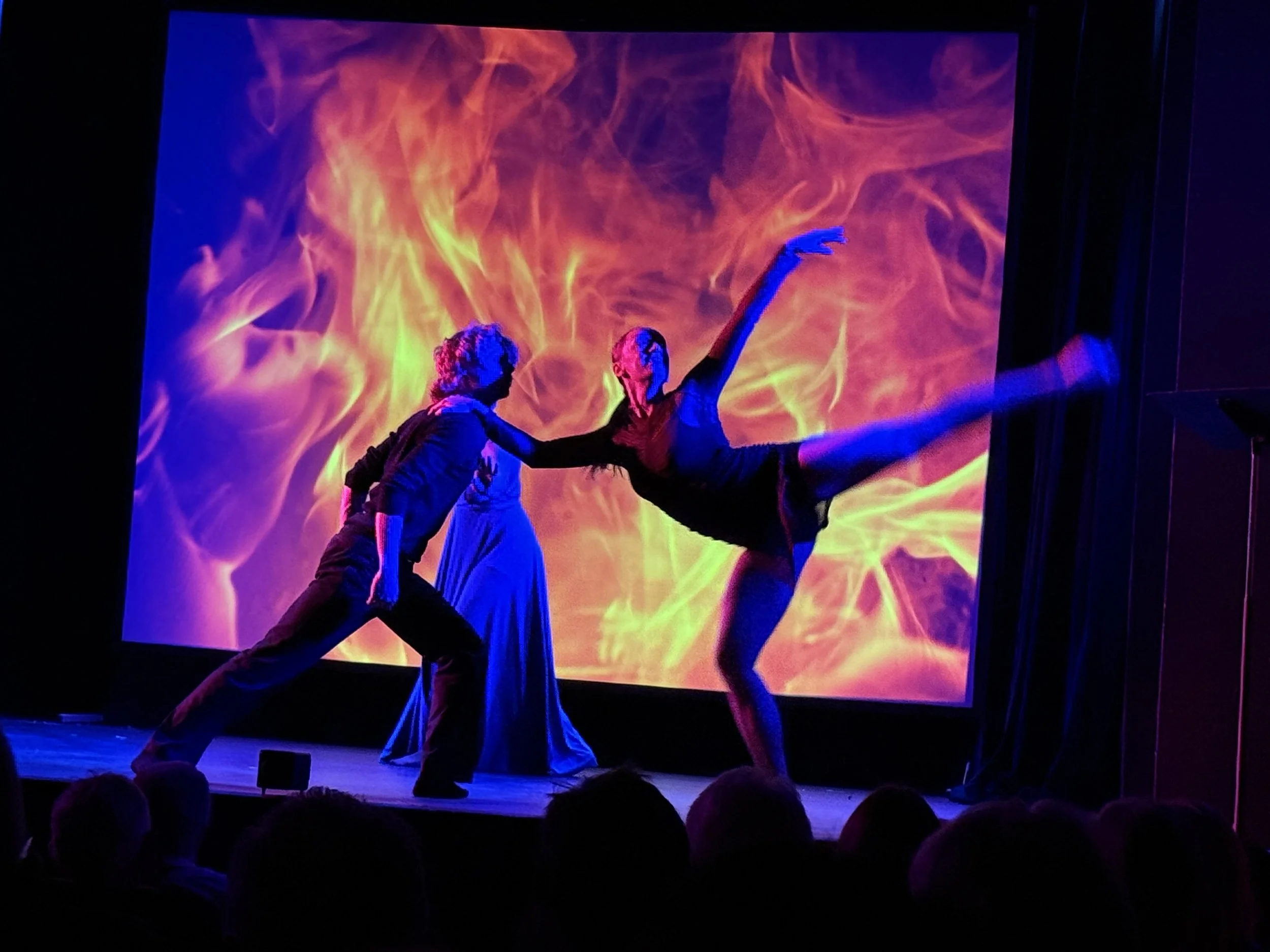
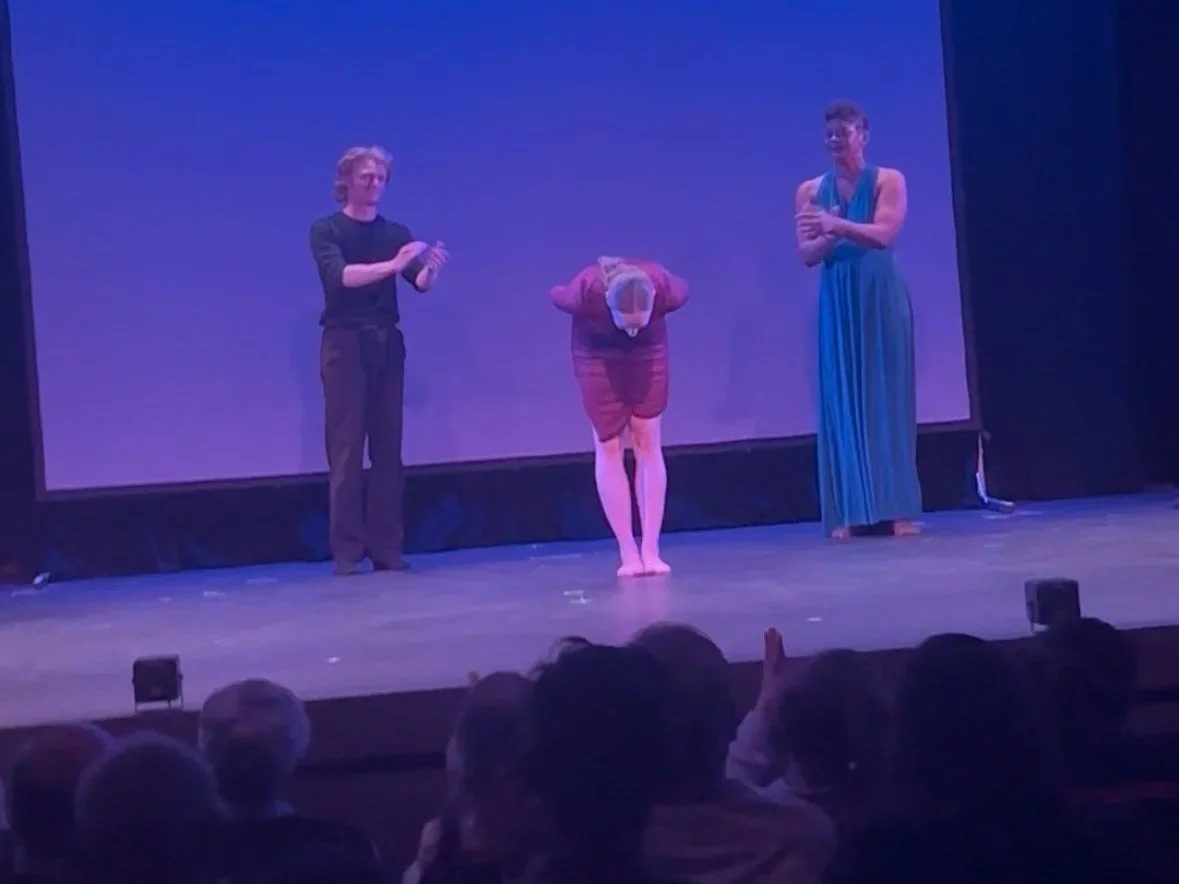
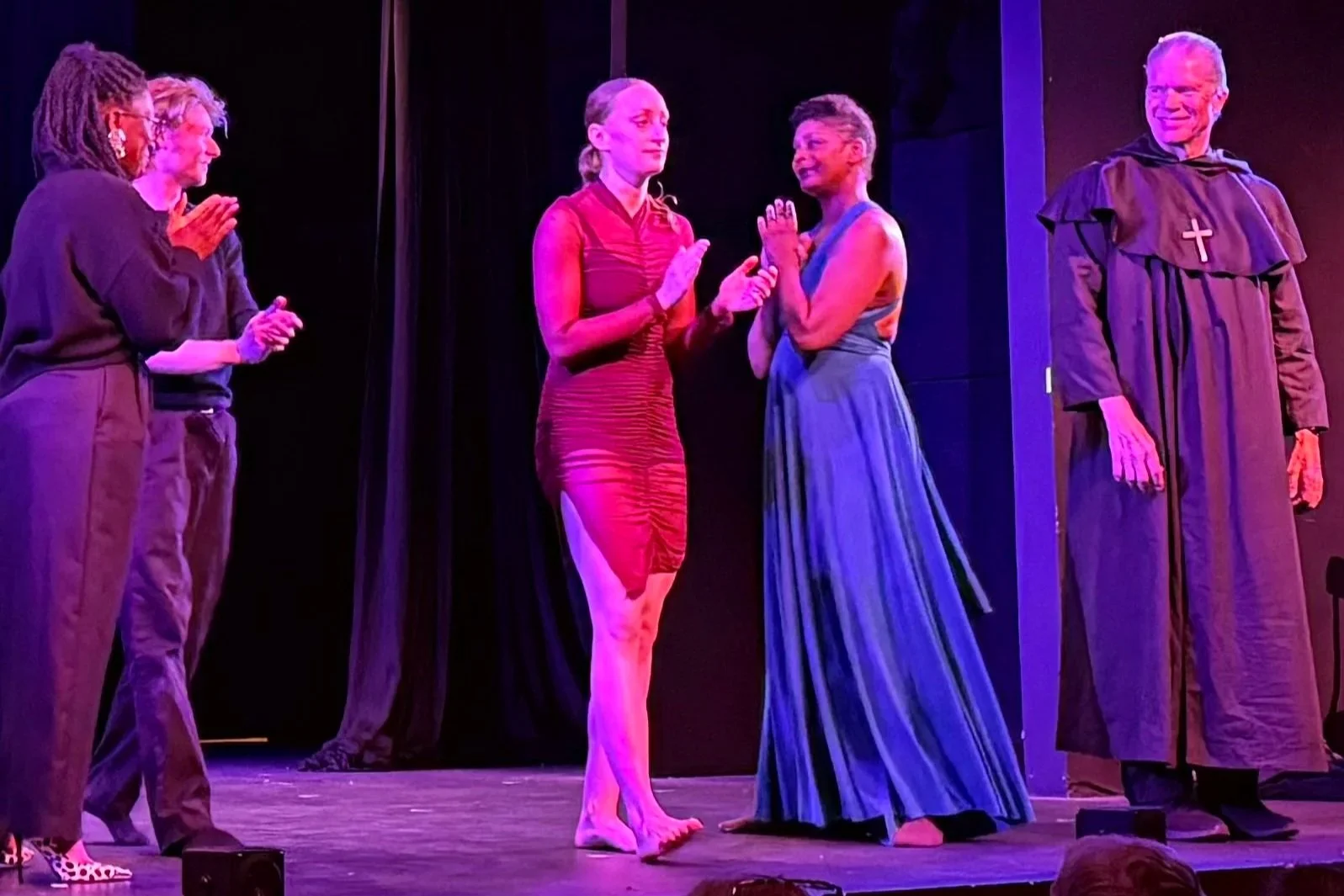
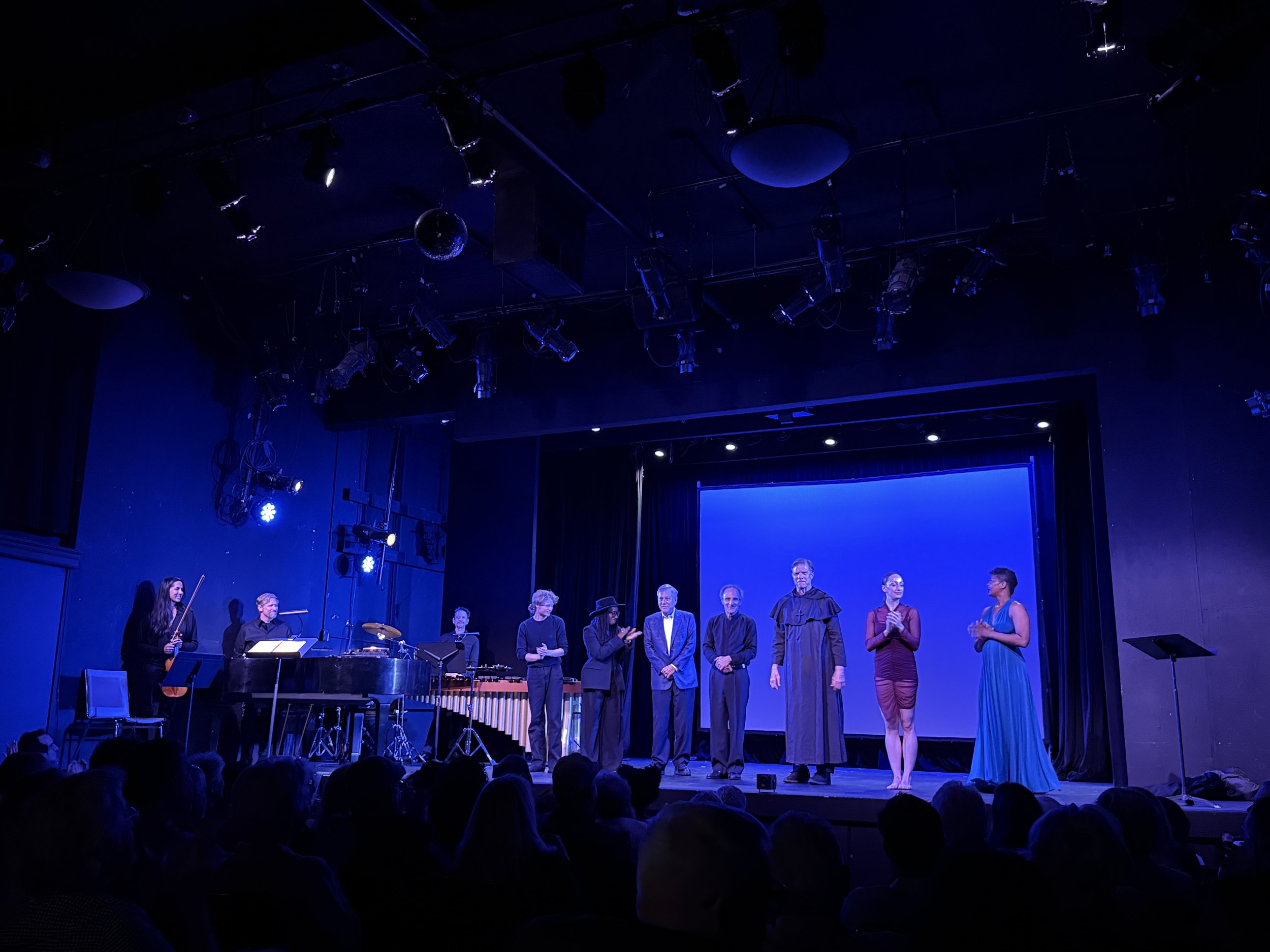
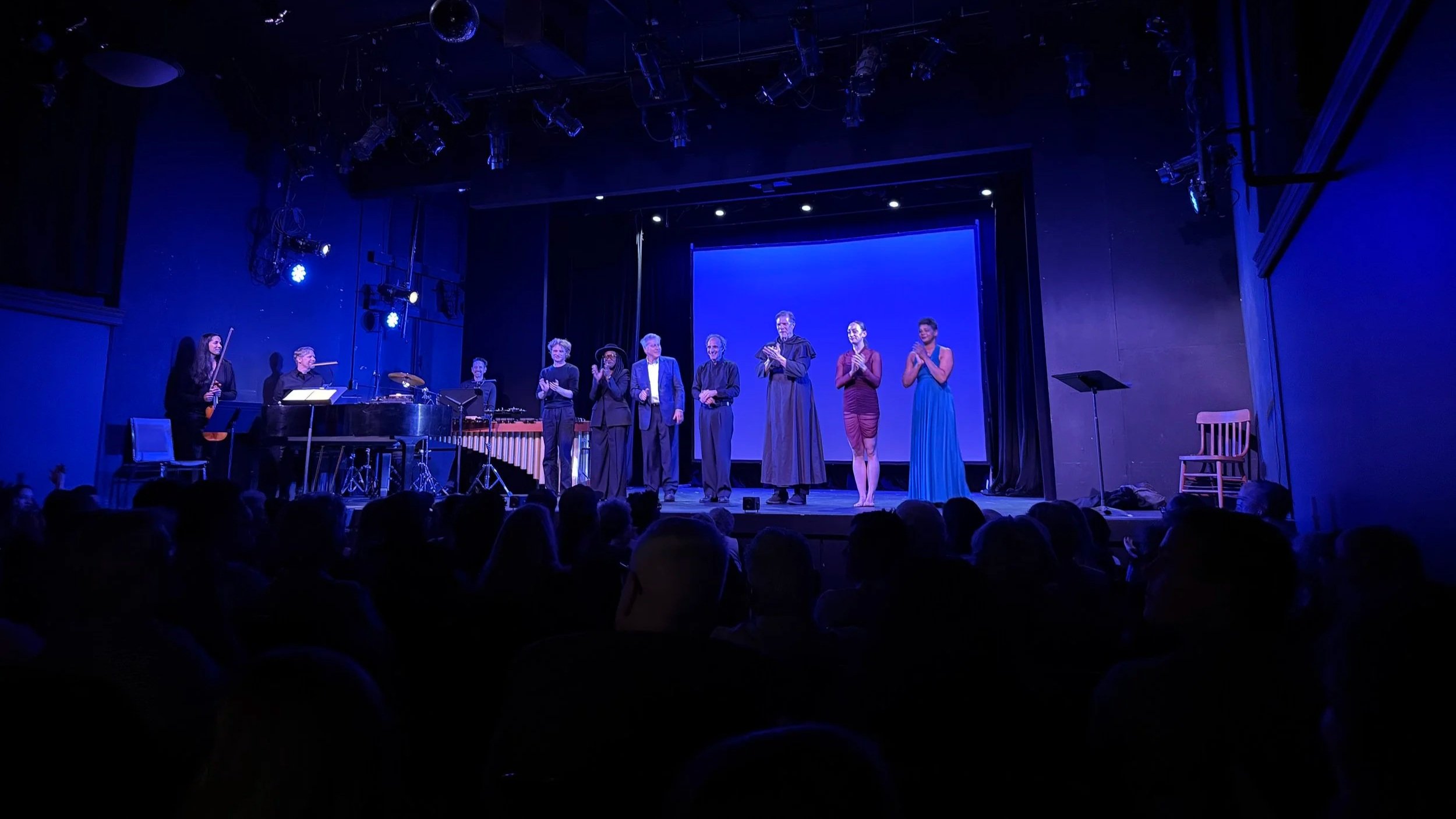
Pictured: Avery Zerr, Dawson Walker, Ayesha Orange, Rod Gilfry, Jamila Glass, Shalini Vijayan, Aron Kallay, Nick Terry, Dana Gioia, and Paul Salerni. Photos by Laura Johnson